May 24th Pentecost Sunday
What is it? What does it Represent?

Zack Canfield
May 8, 2026
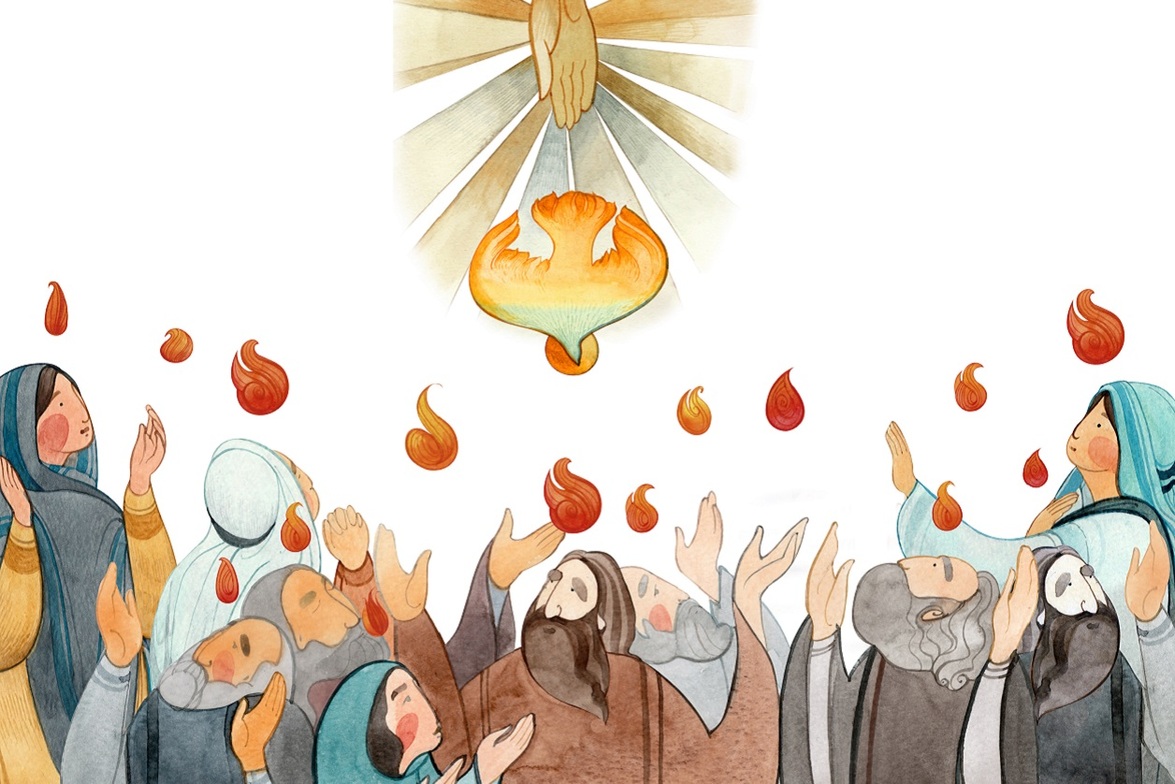
Pentecost is a major Christian holiday celebrated 50 days after Easter (including Easter) that commemorates the descent of the Holy Spirit upon the Apostles and other followers of Jesus in Jerusalem. Known as the "birthday of the church," it marks the beginning of the church's mission and the fulfillment of Jesus' promise to send a helper.
Key Aspects of Pentecost:
- Biblical Event: Described in Acts 2:1–31, the Holy Spirit arrived as a "mighty rushing wind" and appeared as "tongues of fire" above the disciples' heads, enabling them to speak in different languages to crowds in Jerusalem.
- Significance: It signifies the empowerment of believers by the Holy Spirit to spread the gospel, shifting the disciples from followers into active witnesses.
- "Birthday of the Church": It is considered the start of the Christian church, as Peter’s sermon that day led to around 3,000 baptisms.
- Origins: The name comes from the Greek pentekostē ("fiftieth"). It was originally rooted in the Jewish harvest festival of Shavuot (Feast of Weeks), celebrated 50 days after Passover.
- Traditions & Timing: It is a movable feast, often occurring in late May or early June. Common traditions include wearing red to represent the tongues of fire. It is also known as "Whitsunday" or "White Sunday" in some regions.
Pentecost in 2026
In 2026, Pentecost is celebrated on Sunday, May 24th.
In 2026, Pentecost is celebrated on Sunday, May 24th.
What Happened at Pentecost?
According to the Book of Acts, the followers of Jesus were gathered together when the Holy Spirit descended. This event resulted in:
According to the Book of Acts, the followers of Jesus were gathered together when the Holy Spirit descended. This event resulted in:
- The Wind and Fire: A sound like a violent wind filled the house, and tongues of fire rested on them.
- Speaking in Tongues: The believers spoke in various languages, allowing travelers from different nations in Jerusalem to understand them.
- Preaching and Baptism: Peter preached his first sermon, explaining that this was the fulfillment of prophecy, resulting in thousands being baptized
Join Us Pentecost Sunday! Enjoy the video below.
Ministries
Christian Academy
-
Location
Office Hours
Contact
© 2026 Eagle's Nest Worship Center. All Rights Reserved.
|
Login
powered by
Website Developed by Tithely